
Via dei Piatti 6, cit. 10,
20123 Milan
LUN-SAB 11.00-19.00
DOM 11.00-17.00
ARTISTS:
Margarita Gluzberg
Fausto Melotti (Collezione Ramo)

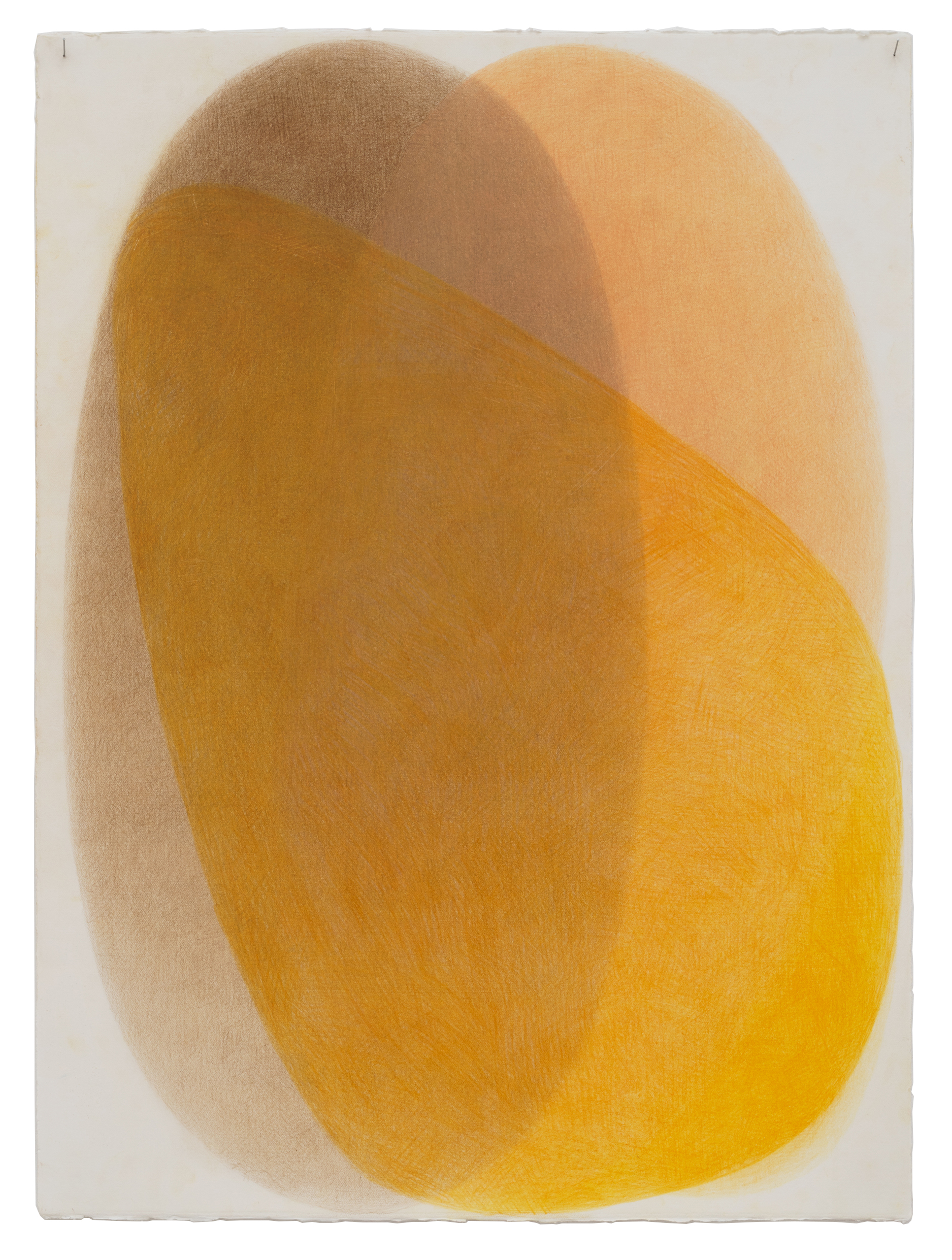
Gluzberg, Samoysvet 2, 2025, Matite colorate su carta, 77×56 cm
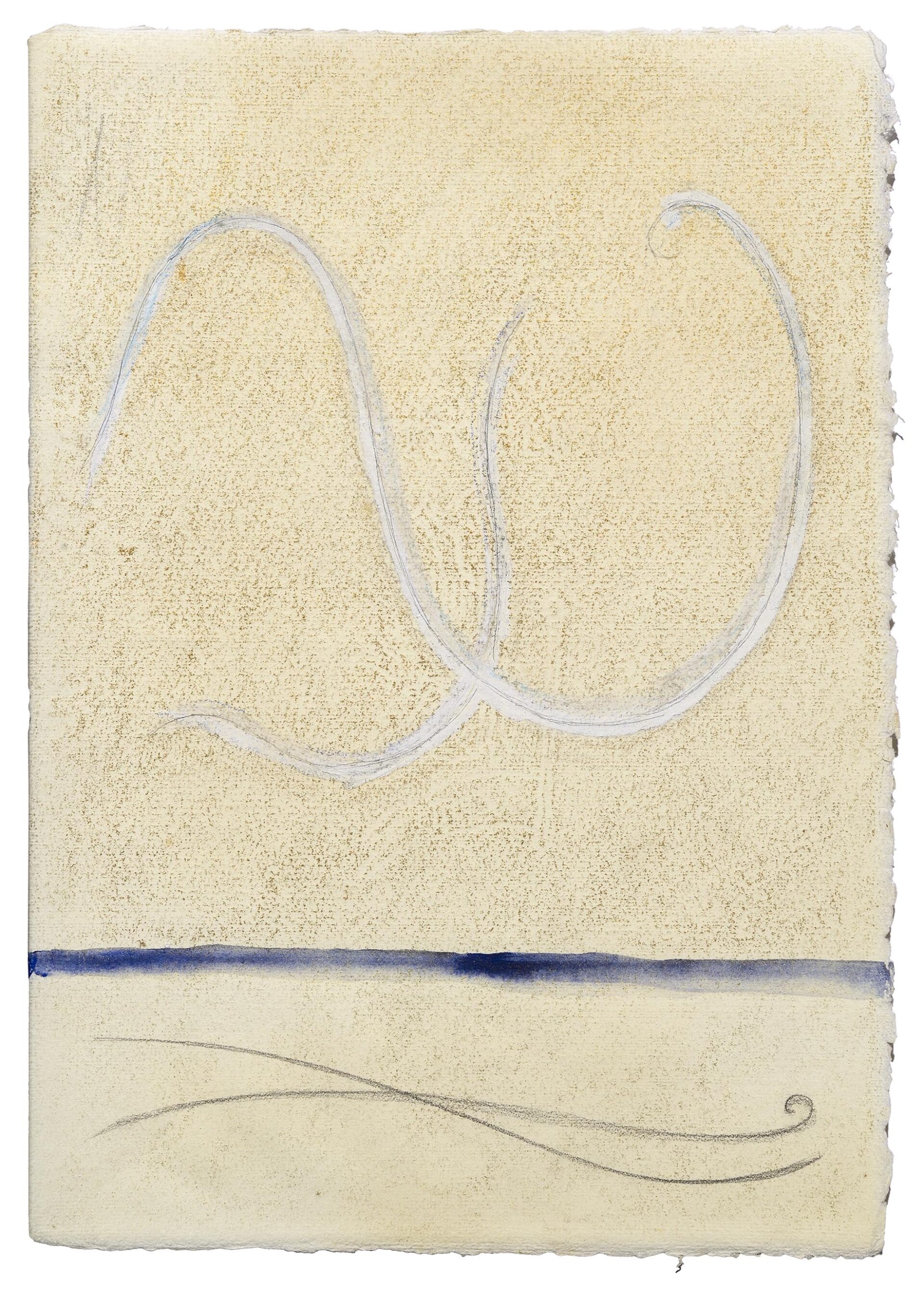
1286_melotti_st_1976_recto
Margarita Gluzberg answers questions from
Irina Zucca Alessandrelli, curator of the Ramo Collection
What does drawing mean to you?
Drawing is a device for translation. The intricate system of references, knowledge, actions and thoughts that the artist generates and moves through is processed by a profoundly human mechanism to give rise to a singularity: the drawing.
I also see drawing as an echo. Signs and forms are repeated, erased, inverted, expanded; they hide within one another only to re-emerge into visibility. Drawing has a fundamental relationship with sound: harmonic progressions, tonal modulations, the use of time and rhythm. In my practice, drawing can be both score and performance.
What materials, techniques and creative processes do you use in your work on paper?
Recently, I have been working with “second-hand” pencils dating from the twentieth century, with the awareness that, once they are used up, certain shades will no longer be replaceable. This introduces an ordering principle into the work: it guides decisions and establishes a system of limitations.
Some of these pencils have already been used by other people, giving rise to a kind of unusual collaboration with the material itself. This choice perhaps also contains a dimension of traversing time, as well as a specific cultural charge: how does an American pencil from the 1950s differ from a Soviet pencil from the 1960s?
Here too, the concept of the echo returns as a veritable system for constructing the image. A pigment that is no longer manufactured continues to leave its trace within a new work, manifesting itself as the spectral presence of an industry that has disappeared.
At the same time, I have deepened my study of early Baroque music, in which echo effects are a central element: phenomena of resonance and transfiguration across space. The echo lies at the heart of this new body of work and of the techniques I use to develop each image. Palimpsest and recurrence themselves become drawing tools: a methodology that moves towards a rigorous and structural construction without relinquishing a strong emotional intensity.
Why did you choose this work from the Ramo Collection?
This drawing possesses an extraordinary precision of intent and addresses, with great clarity, many of the questions I am trying to understand and articulate visually. It is an echo, a spatial reverberation, a kind of perspectival enigma.
When I feel drawn to a work, it is rarely because of a formal resemblance to my own work; rather, I recognise in it an intention akin to mine, something that creates a spiritual proximity to its origins.
Fausto Melotti was also a musician and a theorist of music. He described his works as “a musical space structured in the construction of harmony” and frequently used musical terminology in his titles, such as Counterpoint or Variation. I studied music and today I return to it as a fundamental structuring element of my practice, drawn to its ability to operate simultaneously on both the formal and emotional levels.
What value does dialogue with the masters of the twentieth century hold for you?
No one makes their work in a state of complete isolation. I have always believed that, in order to create, it is necessary to build a community of “imaginary friends”. They may be artists, writers or composers with whom we would ideally like to place our work in dialogue. They may be living or dead; real friends or people we have never met. And yet, they continue to constitute an integral part of our practice.
Placing one’s work in relation to that of another era creates a space for conversation, a shared territory in which an atmosphere takes shape that can foster unexpected alliances. It is precisely within this field of resonances that new possibilities of interpretation, cross-connections and unforeseen affinities emerge.
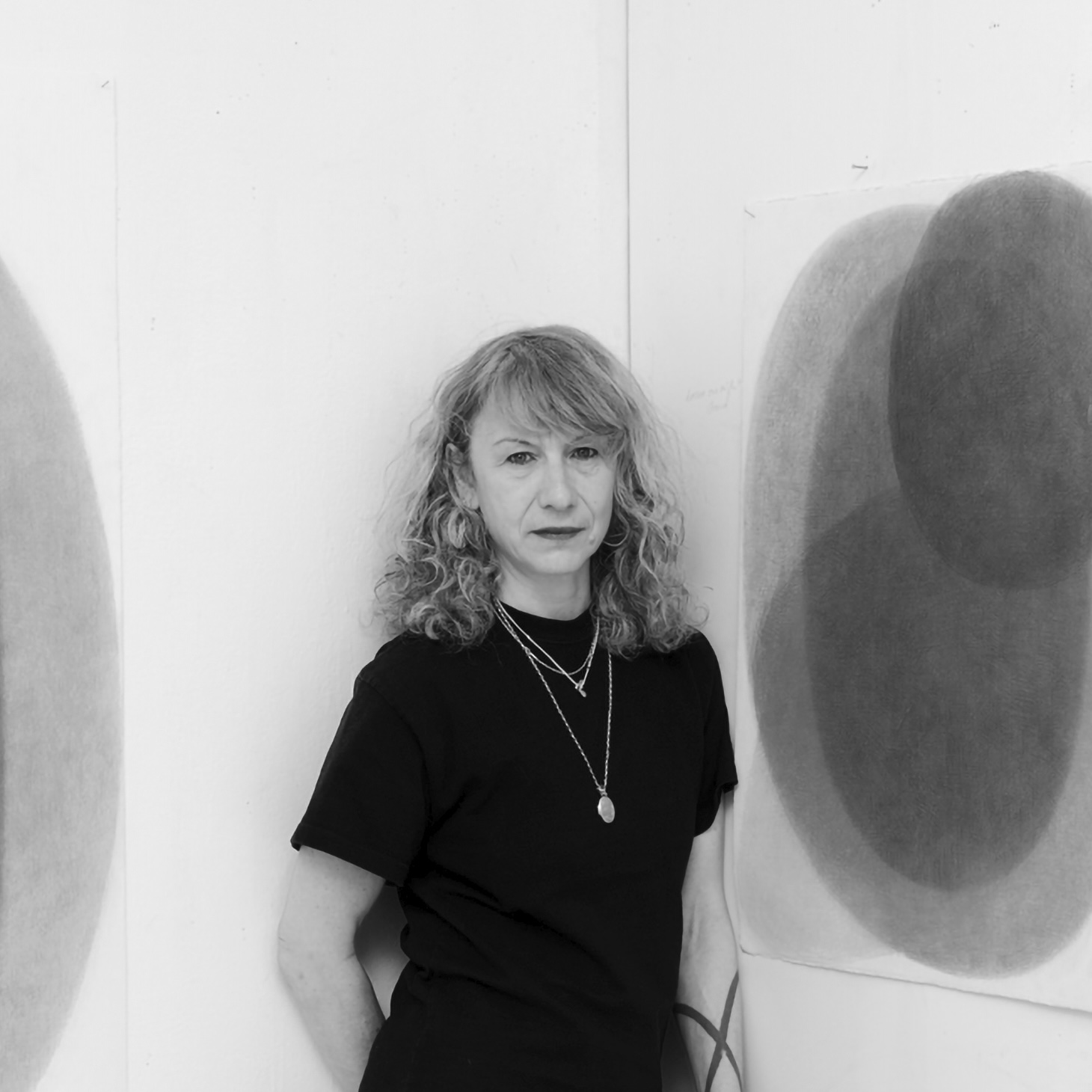
MARGARITA GLUZBERG (Moscow, 1968) has lived and worked in London since 1979. She studied at the Ruskin School of Art at the University of Oxford and at the Royal College of Art in London. Her multidisciplinary practice, centred on drawing, also encompasses photography, sound installation and performance. Her work weaves together historical, autobiographical and cultural references, exploring the tensions and reciprocal relationships between past and present, memory and fiction, personal experience and the collective imagination, while also examining the politics of desire and the mechanisms through which memory constructs and transforms reality.