
Via Privata Massimiano 25
20134 Milan
MON–SAT 11:00 AM–7:00 PM
SUN closed
ARTISTS:
Roberto de Pinto
Bruno Munari (Collezione Ramo)

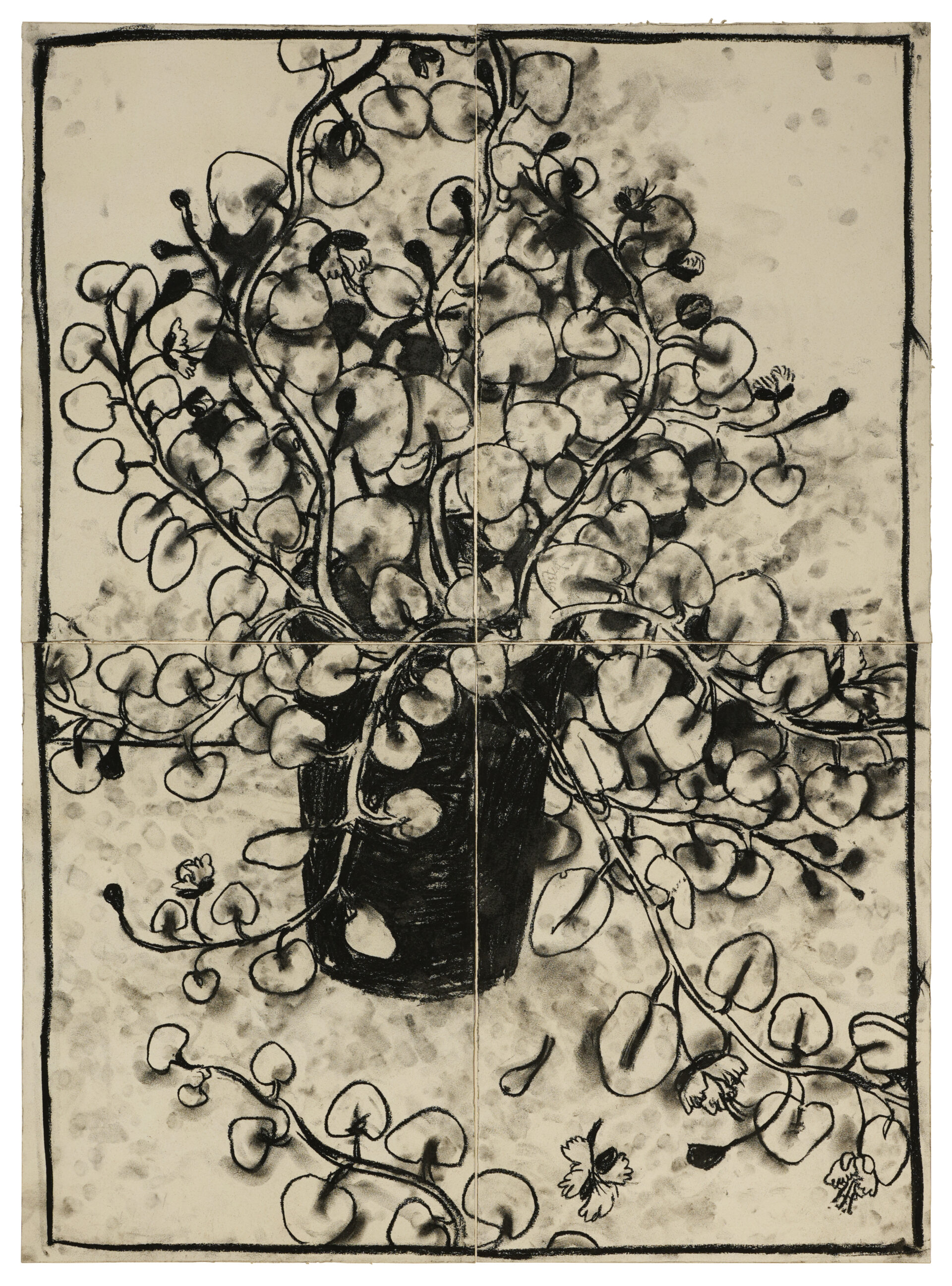
de Pinto, Rami di cappero in fiore, 2023, Carboncino su carta, 80×60 cm
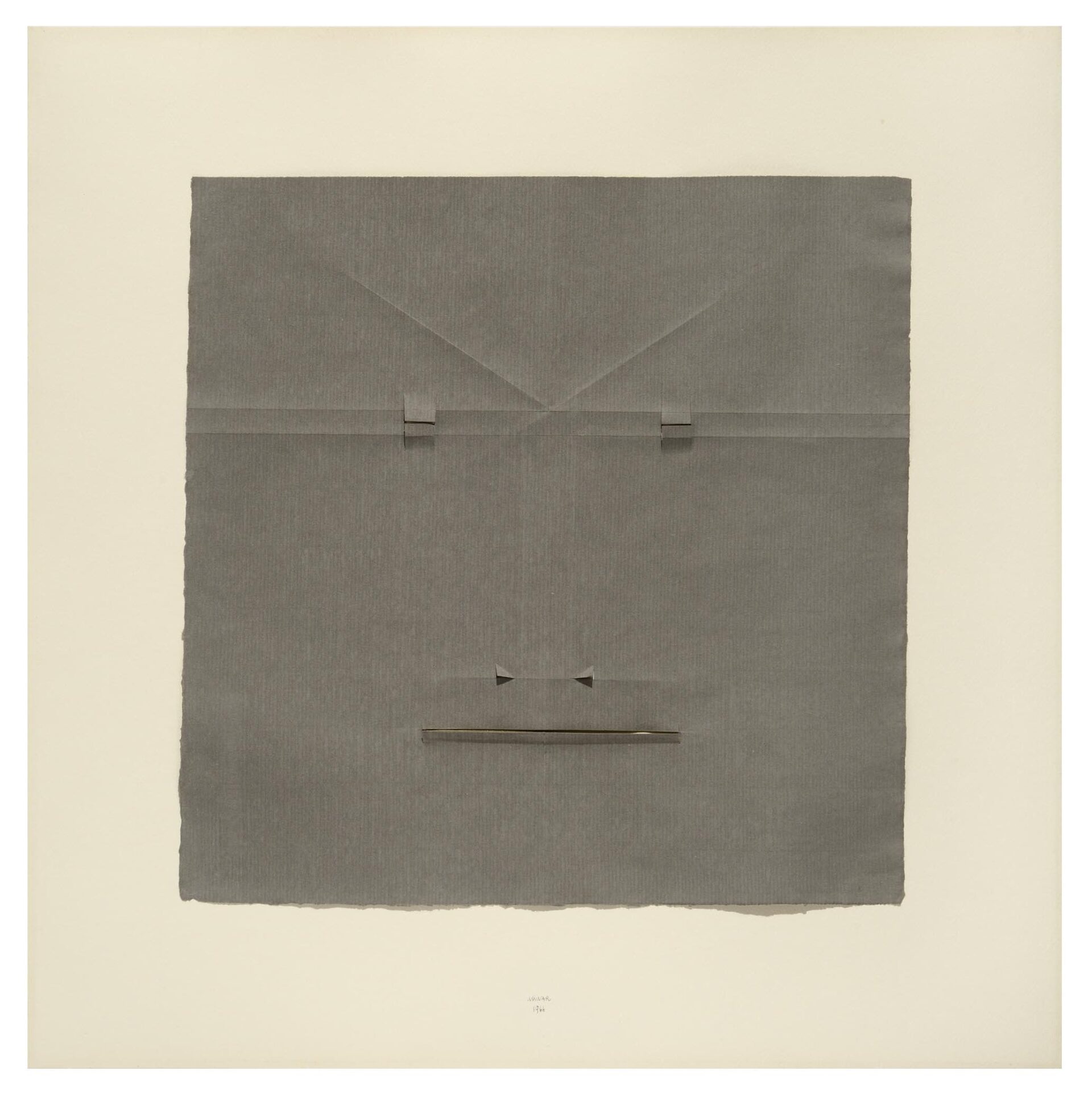
1160_munari_st_1966_recto
Roberto de Pinto answers the questions of
Irina Zucca Alessandrelli, curator of the Ramo Collection
What does drawing mean to you?
For me, drawing is the foundation of everything. It has always been my free space for research. Before I had developed a defined poetics, drawing helped me find a personal alphabet: my marks, my figures, my imagery.
When I draw, my hand moves quickly and “thinks” before my head does. It is a practice in which I can be direct and essential: sincere. My line is the most authentic self-portrait that could exist.
Drawing is also omnipresent in my painting practice. Every painting begins with sketches and studies on paper, and continues to live on the canvas through the use of materials such as charcoal, sanguine and graphite, or through small, meticulous incisions and drawings transferred by monotype onto still-fresh encaustic. Although it also has a preparatory function, for me drawing is above all an autonomous language. It has its own expressive force, capable of becoming a work of art with very little.
What materials, techniques and creative processes do you use when working on paper?
Charcoal is the material that most characterizes my works on paper. I love its physicality: it stains the fingers and leaves uncontrolled fingerprints on the surface, traces of a physical and direct contact with the sheet. I prefer sketching papers with warm, yellowish whites, porous yet smooth, perfect for receiving fluid marks and recording the freedom of every gesture.
In recent years, I have explored collage extensively, working through tearing, juxtaposition and layering. In a series of still lifes, I assembled sheets individually prepared with pigments, then intervening with a very soft charcoal to give form to anthropomorphic flowers. For a recent series of “Capricci,” instead, I layered silhouettes created by tearing the edges of several charcoal drawings.
Lately, I have also begun to consider drawing in a more installation-based and sculptural dimension. I had the opportunity to enlarge those same silhouettes, creating them on pouncing paper and placing them freely within space.
Why did you choose this work from the Ramo Collection?
Among the works in the Ramo Collection, I chose Bruno Munari’s Untitled from 1966.
I was looking for a portrait, a face… I was struck by the simplicity and intelligence with which an expression emerges solely from the folding of the sheet: a drawing that thinks outside the box. The theme of the mask and identity has always run through my research, and I feel that this work can engage with my own practice in a subtle and unexpected way, both in its approach to the support and in its “subject.”
Looking at it, I thought about how we can literally shape and fold our identity with our own hands. I find it ingenious how, in this Munari, the mark is entrusted to the fold, while the chiaroscuro depends solely on the tone of the paper and the light falling upon it.
What value does your dialogue with the Masters of the 20th century hold for you?
This dialogue is a confrontation with works and masters from a not-too-distant past, who have shaped the history of art and laid the foundations for our contemporary world. Their echoes continue to reverberate. It therefore means finding continuity and proximity with figures whom, as an emerging artist, I deeply admire and whose work I have studied in order to define my own identity. Drawing, in particular, makes it possible to approach them from an intimate perspective, revealing the lesser-known and more immediate aspects of their research.
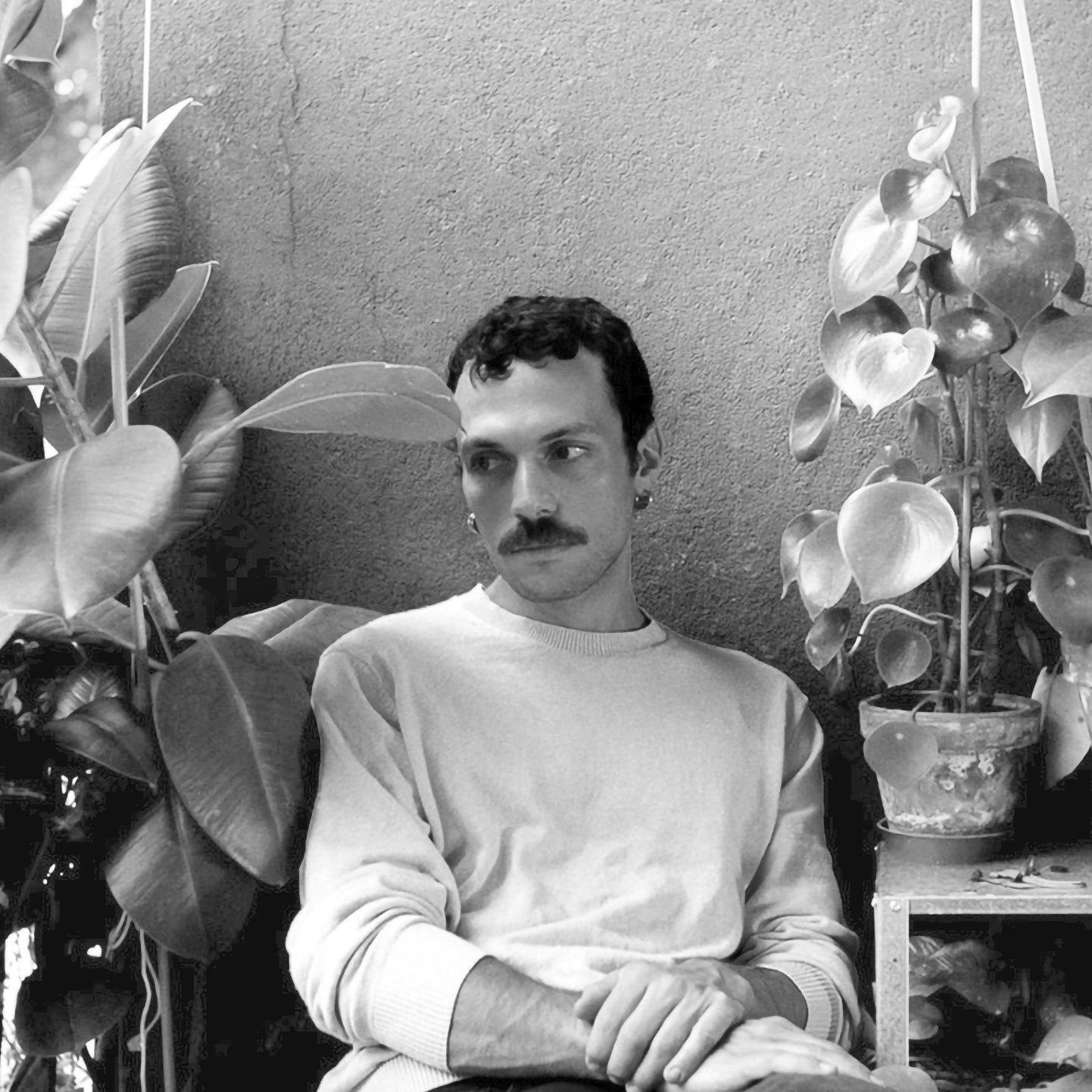
ROBERTO DE PINTO (Bari, 1996) studied Painting at the Brera Academy of Fine Arts in Milan, where he currently lives and works. His practice moves between painting and drawing. At its center is an alter ego, almost a self-portrait: a Mediterranean figure, often undressed, captured in moments of intimacy and leisure, through which de Pinto explores themes related to the body, sexuality and eroticism. The masculine is reinterpreted through a strongly emotional lens and brought into relation with nature and culture.